Spring Is in full swing at the Contrecœur bank swallow nesting structures
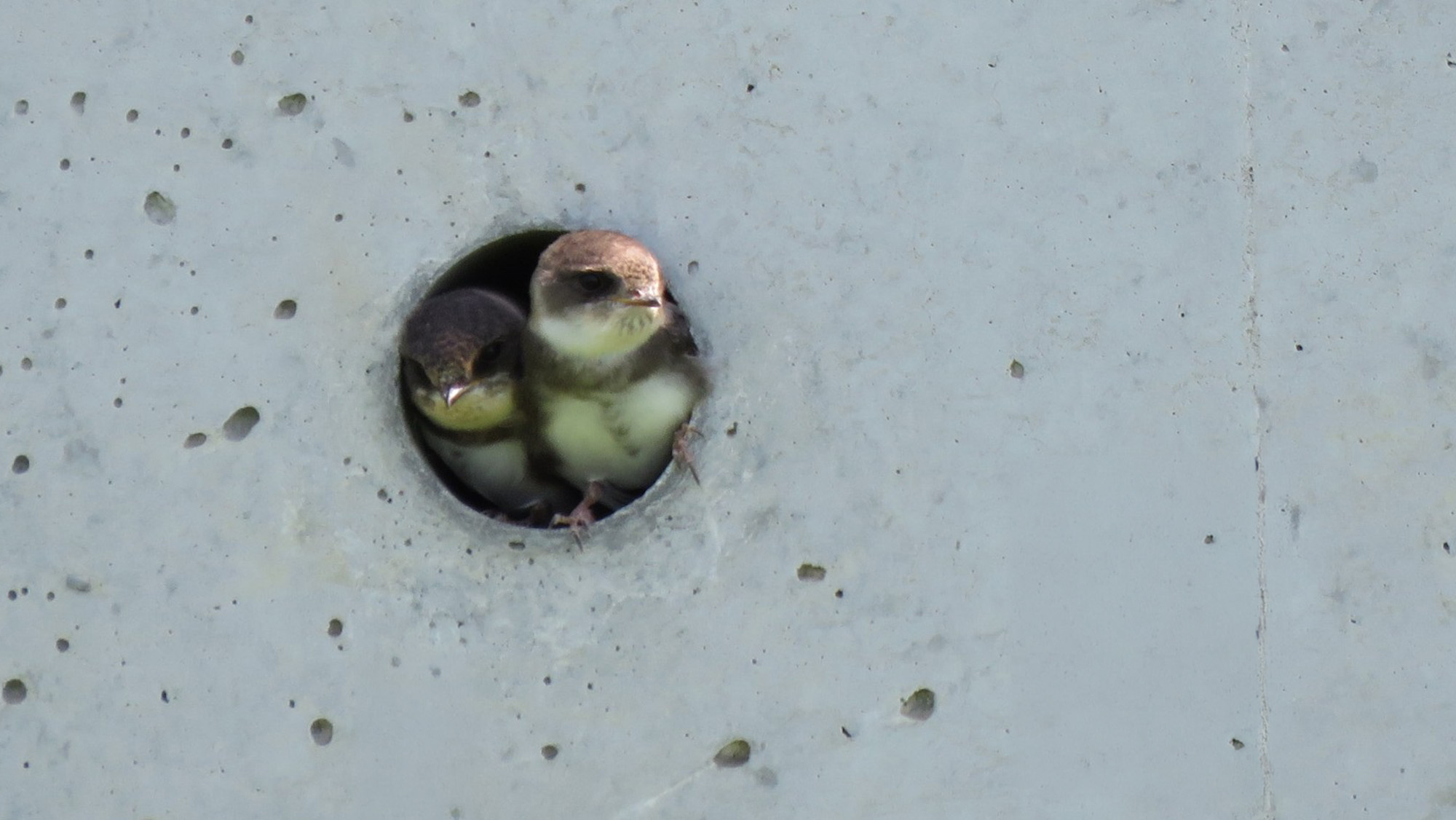
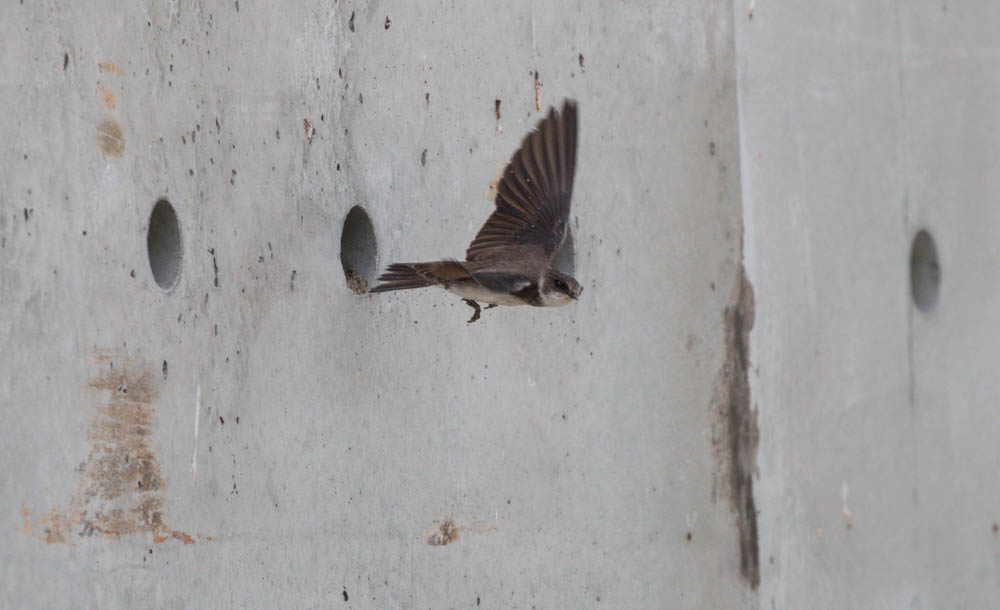
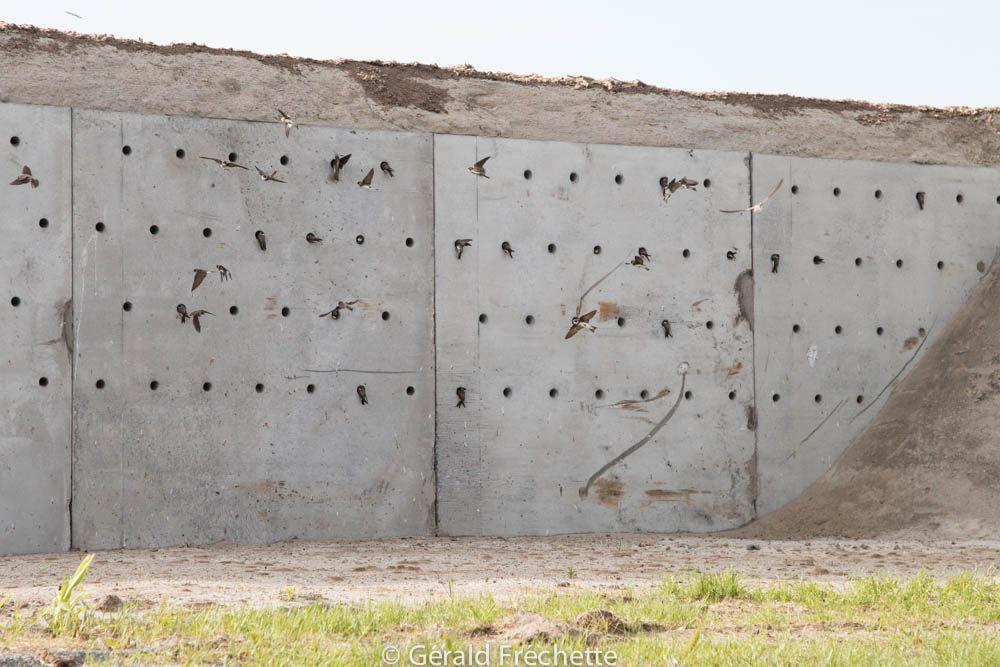
Spring has officially arrived… and the bank swallows are back in Contrecœur! Since their installation in 2019, the nesting structures on the site have proven highly successful, and this year is no exception.
Nesting structures designed for bank swallows
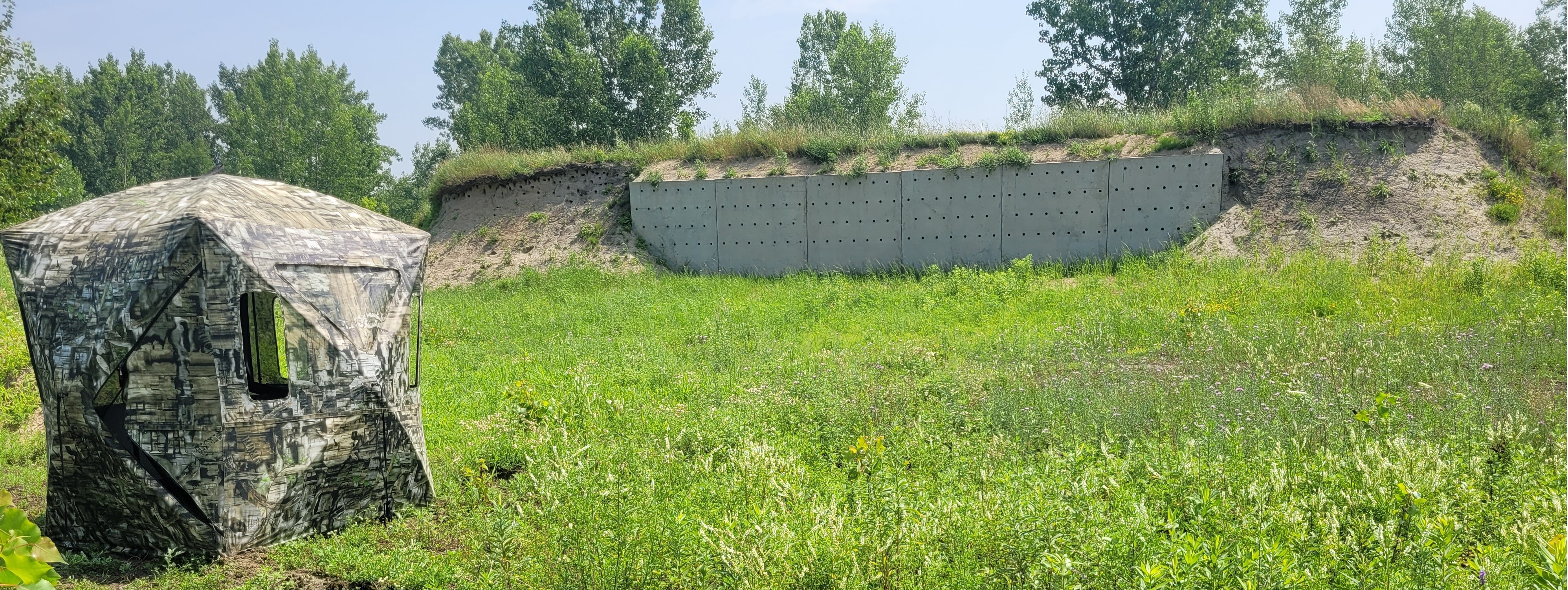
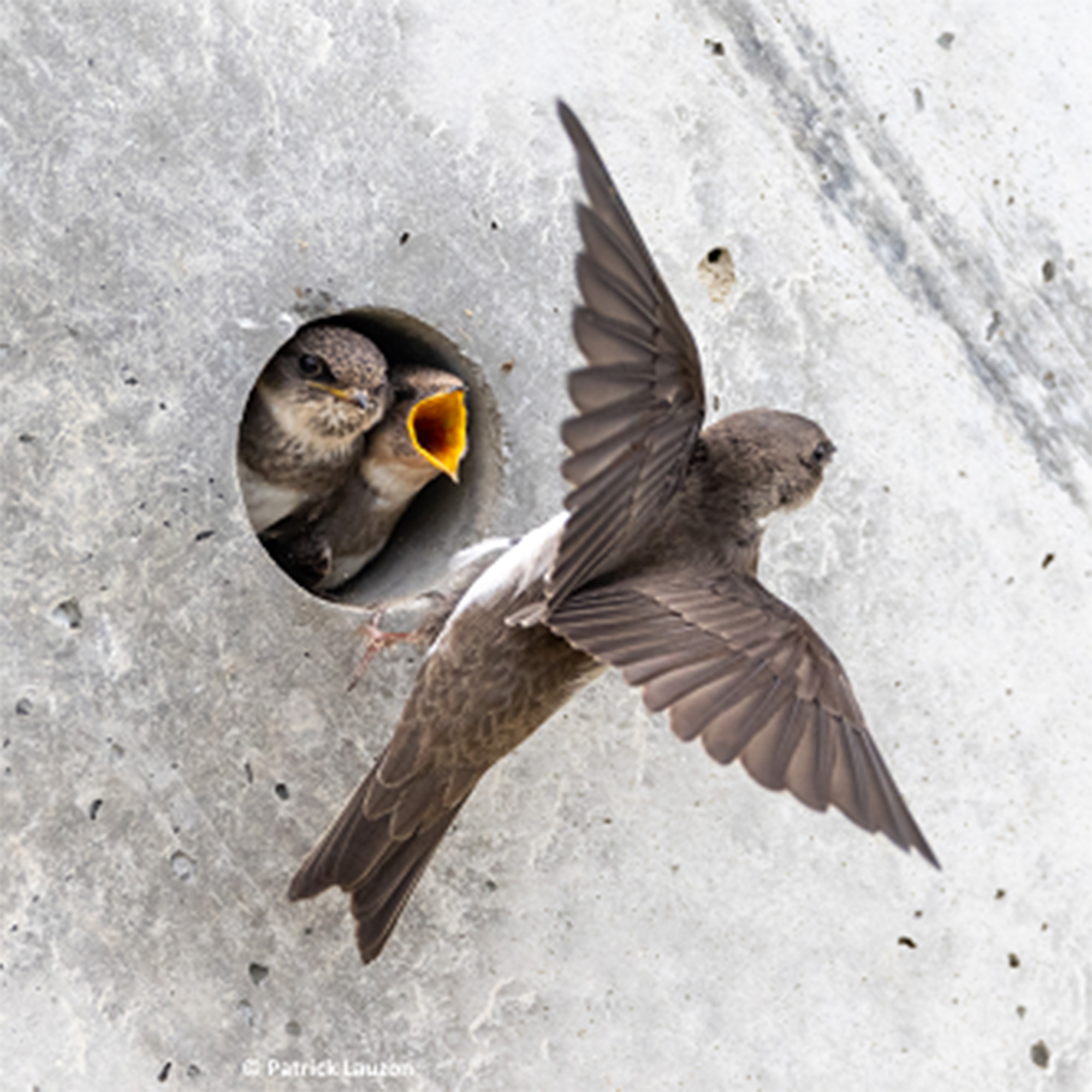
Every spring, these small migratory birds return to lay their eggs in burrows dug into sandy banks. In Contrecœur, vertical concrete walls provide access to specially designed sand embankments that recreate the birds’ natural nesting conditions.
These structures offer a safe and well-suited environment for the chicks. The walls replicate the appearance of a natural slope while providing greater stability. Concrete also turns out to be an unexpected ally for the swallows! Thanks to the vertical surfaces, predators — such as foxes, skunks, and raccoons — are unable to reach the nests. They also cannot widen the cavities to slip in their paws or snouts.
A success story confirmed year after year
The site now includes nearly 1,300 cavities accessible to the birds, with an occupancy rate of approximately 95%. Each year, around 800 chicks are born there.
The swallows use the nesting structures throughout the breeding season. Once the young birds are strong enough to fly, the entire colony leaves the site to migrate south before returning the following spring.
This year, these structures play an even more important role. Due to ongoing construction work, no natural sections of the shoreline along Port property are accessible to the swallows. The nesting structures have therefore become essential to supporting the species’ presence in the area.
Teams mobilized to prepare for peak season
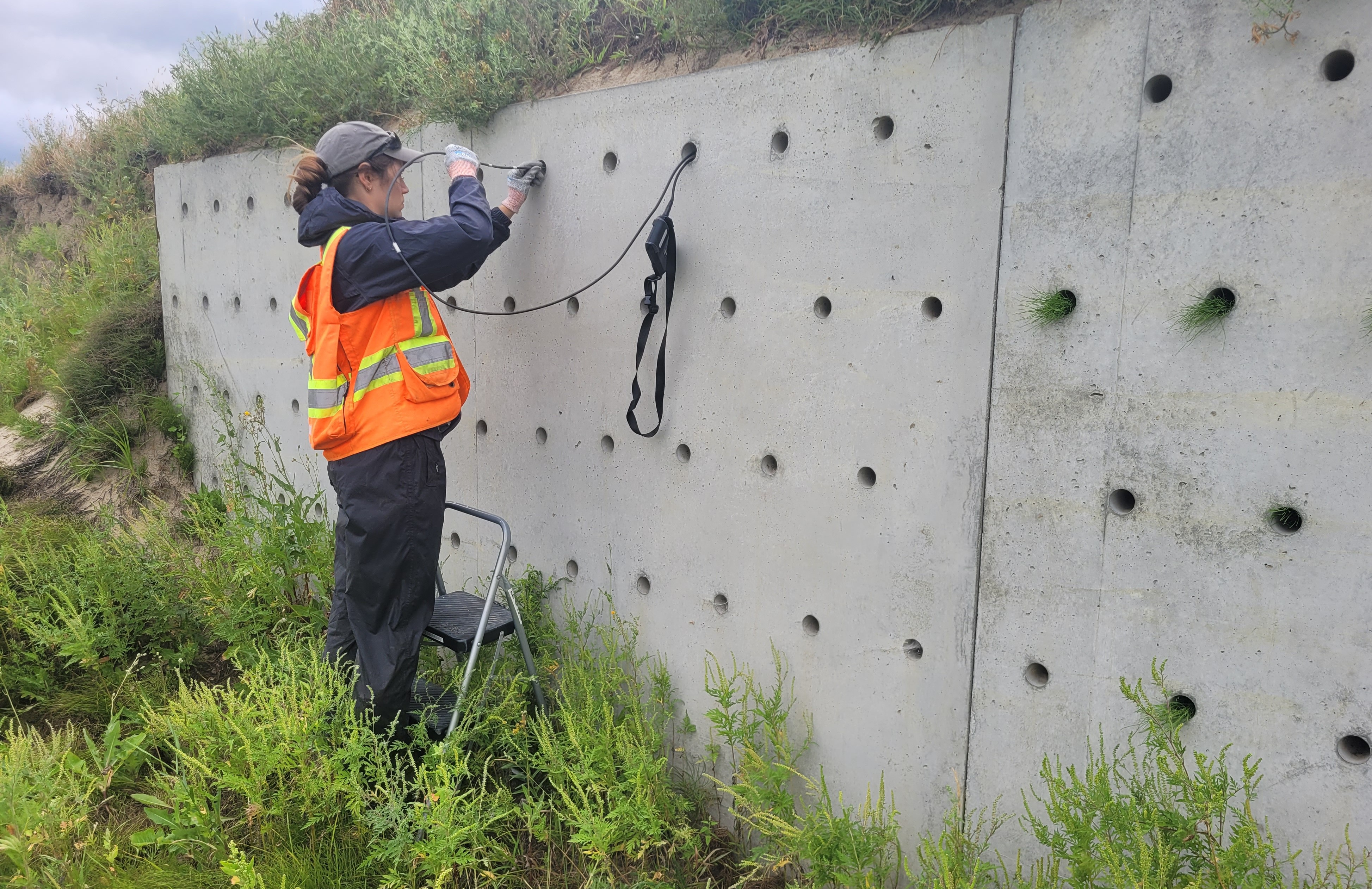
To ensure a successful season, extensive maintenance work is carried out every year during the first weeks of spring. Teams restore sand embankments when they collapse, remove vegetation around the walls, clean the cavities, and repair cracks.
Everything is done to ensure the nesting structures are ready just in time for peak season.
Monitoring activities are also conducted to assess site occupancy and nesting success. Other nearby natural colonies — particularly on Île aux Bœufs, Île aux Prunes, and Île Saint-Ours — are also monitored in collaboration with the Abenaki community.
A great example of habitat design in support of biodiversity protection!