
No Pork Without the Port: Olymel’s International Success
Currently, there are many challenges in international trade, but these also present opportunities to be seized. In fact, just when it seemed that free trade had reached its stride, trade relations between countries are changing. Added to this are all the challenges related to the supply chain, as well as growing demands for traceability, sustainability, and efficiency.
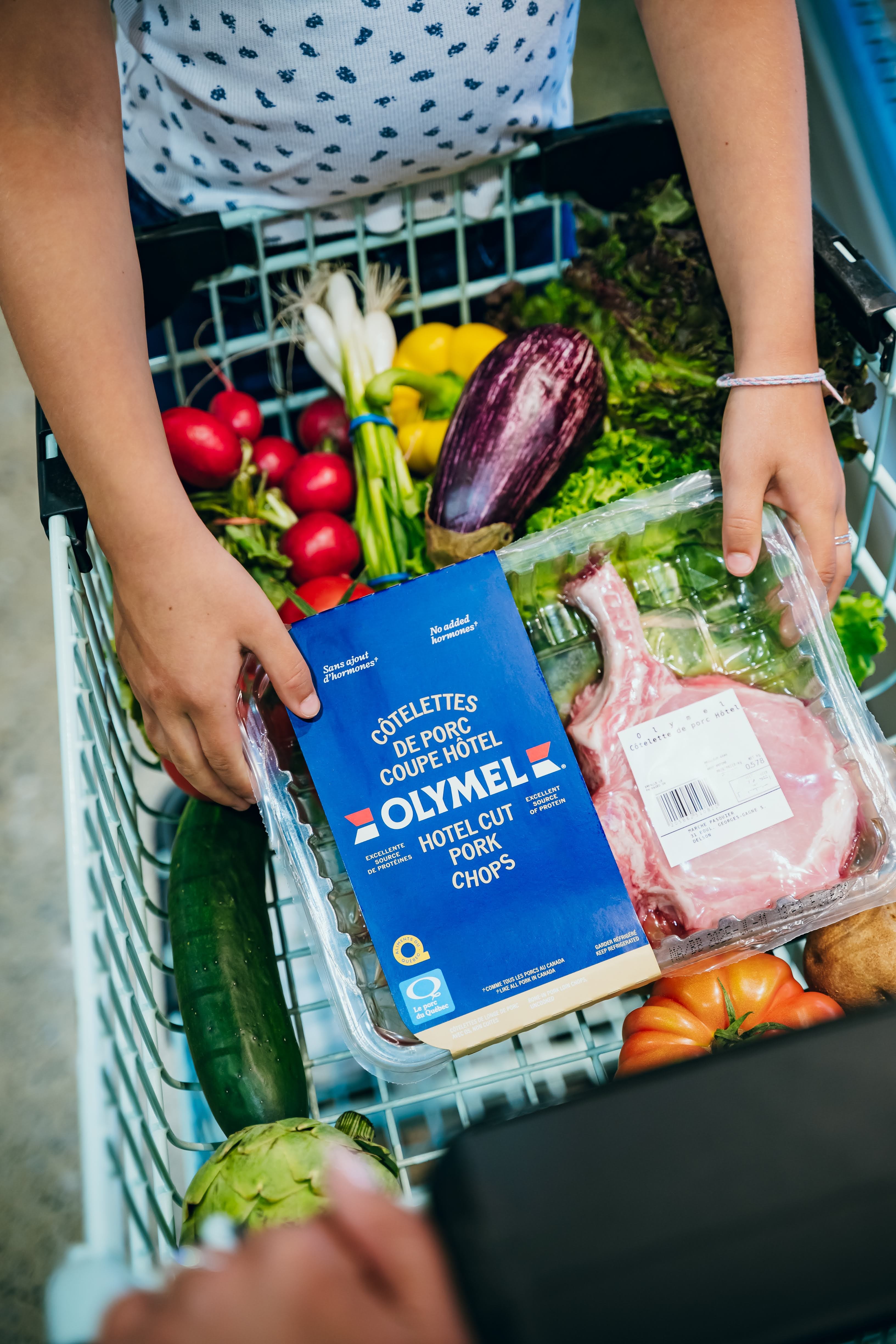
This is where a partner like the Port of Montreal can play a crucial role in navigating these kinds of situations and turning them into opportunities. It is well positioned to open the door to international markets for Canadian companies. Just ask Olymel, a local flagship company and a major player in the Canadian agri-food industry, whose products are now available in Japan, South Korea, and several other countries.

Olymel to the ends of the Earth
Founded in Quebec in 1991, Olymel now exports to more than 50 countries, thanks in part to the logistical support provided by the Port of Montreal. As part of its expansion over the years, the company has implemented a two-pronged strategy: on the one hand, it has diversified its export markets to reduce risks and maximize the value of its products. On the other hand, it has strengthened its presence in key markets, notably by opening sales offices in Sydney, Seoul, and Tokyo, complementing those in Brampton and Boucherville. In recent years, we have reviewed our portfolio to ensure that no single market, other than the domestic market, accounts for a disproportionate share of our exports,” explains Carole Grenier, Vice-President of Logistics at Olymel.
Listening and taking action
With logistical support from the Port, this approach—focused on diversification and ongoing analysis—has allowed the company to respond proactively to recent tensions that are complicating established trade ties. The goal: To better distribute volumes and reduce risks. However, since Olymel keeps a close eye on its markets, this approach also helps the company identify new business opportunities based on consumer trends identified by its research and innovation, sales, and marketing teams. Its fresh pork products (known as “chilled pork”), for example, were developed to meet the dietary preferences of certain Asian markets.
Its close ties to the Port of Montreal allow Olymel to excel in traceability, technology, and quality control. Among other things, its digital platform allows the company to track its exports in real time, monitoring temperature and delivery times as they occur.
The strength of the Montreal network
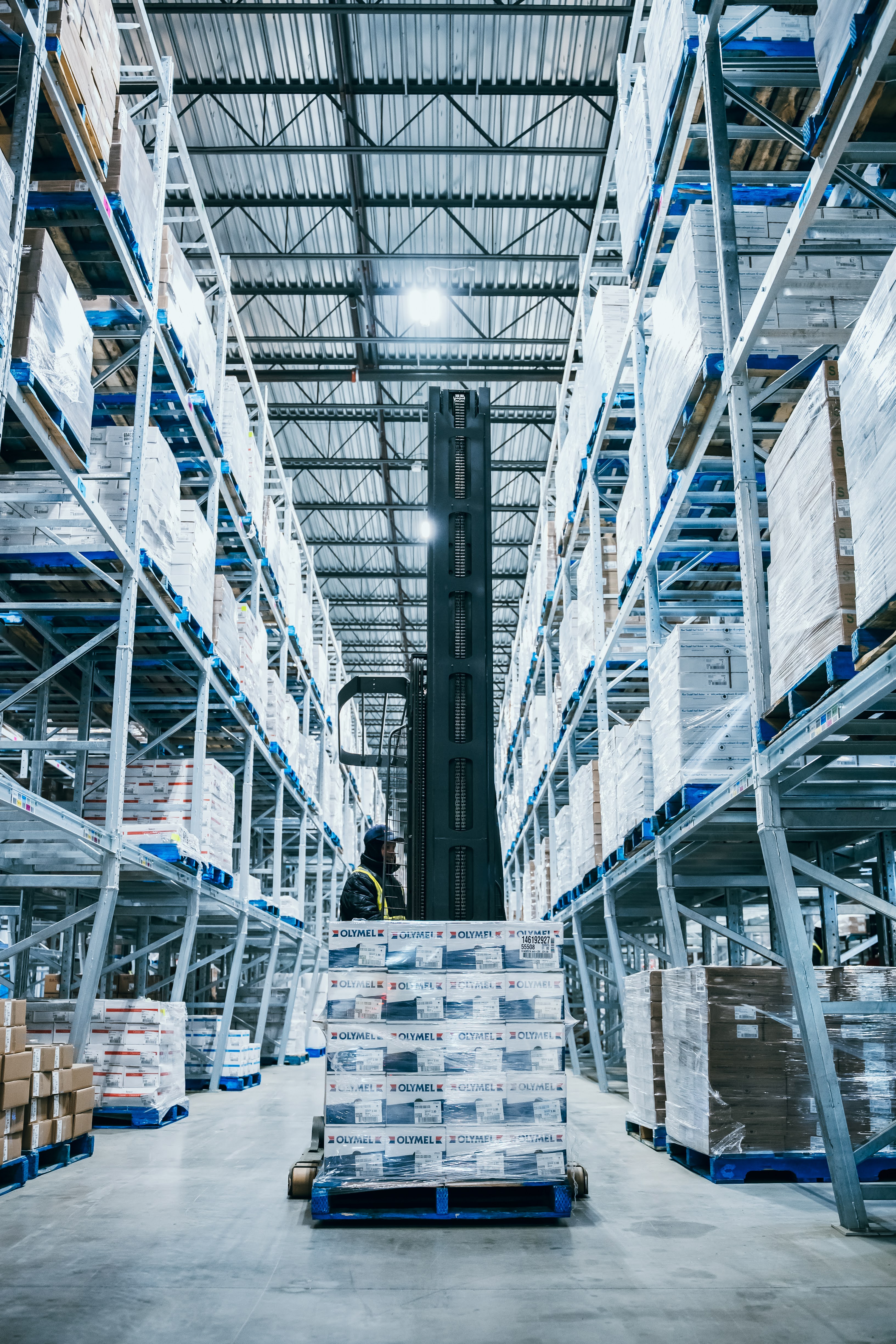
To ship its 11,500 refrigerated containers in 2025, Olymel relied heavily on its various renowned logistics partners in the transportation sector, who facilitate transit through the Port’s ecosystem. It should be noted that the company has made significant investments to optimize its network. This performance is made possible by a network of specialized partners who are involved at every stage of the process. Terminal operators such as MGT and Termont, experts in refrigerated container management such as Hunt, Trealship, and Ultra Depot, as well as transportation and logistics companies such as Acceed and Groupe Nadeau are helping to ensure the continuity of operations. Then there is the role of the major shipping companies, including Maersk, MSC, CMA CGM, ONE, and Hapag—which transport goods to international markets.
Beyond the infrastructure, the port’s proximity to Olymel’s production facilities is also a key advantage. It helps reduce shipping times, optimize logistics costs, and maintain product integrity, particularly for perishable goods. All of these factors help make the Port of Montreal much more than just a transit point: it is a true strategic link in the supply chain.
Advice for Canadian businesses
Building on its success with the Port, Olymel can share some advice for local companies with big dreams. First, Ms. Grenier suggests focusing on quality, reliability, and traceability. “This is the basis of all credibility,” she says. She adds that it is essential to anticipate risks and to be able to rely on dedicated teams in our export markets. “After all, they’re the ones driving growth abroad,” she says.

The Port of Montreal: a strategic asset
The case of Olymel is telling. This local company, renowned for the quality of its products, has successfully realized its international ambitions by recognizing a key point: the Port of Montreal should not be viewed merely as a transit point, but as “a strategic asset and a vital link in the supply chain,” as Ms. Grenier points out.
For Canadian companies looking to expand their horizons, the challenge lies not only in choosing the right markets, but also in the ability to partner with reliable companies to effectively enter those markets. From this perspective, the Port of Montreal stands out as a key partner in supporting sustainable growth abroad.
Are you interested in exploring new opportunities or learning more about the solutions available? Find out how the Port of Montreal’s infrastructure and ecosystem can support your growth.
May 14, 2026