
Berth 101: A New Milestone in the Liquid Bulk Sector at the Port of Montreal
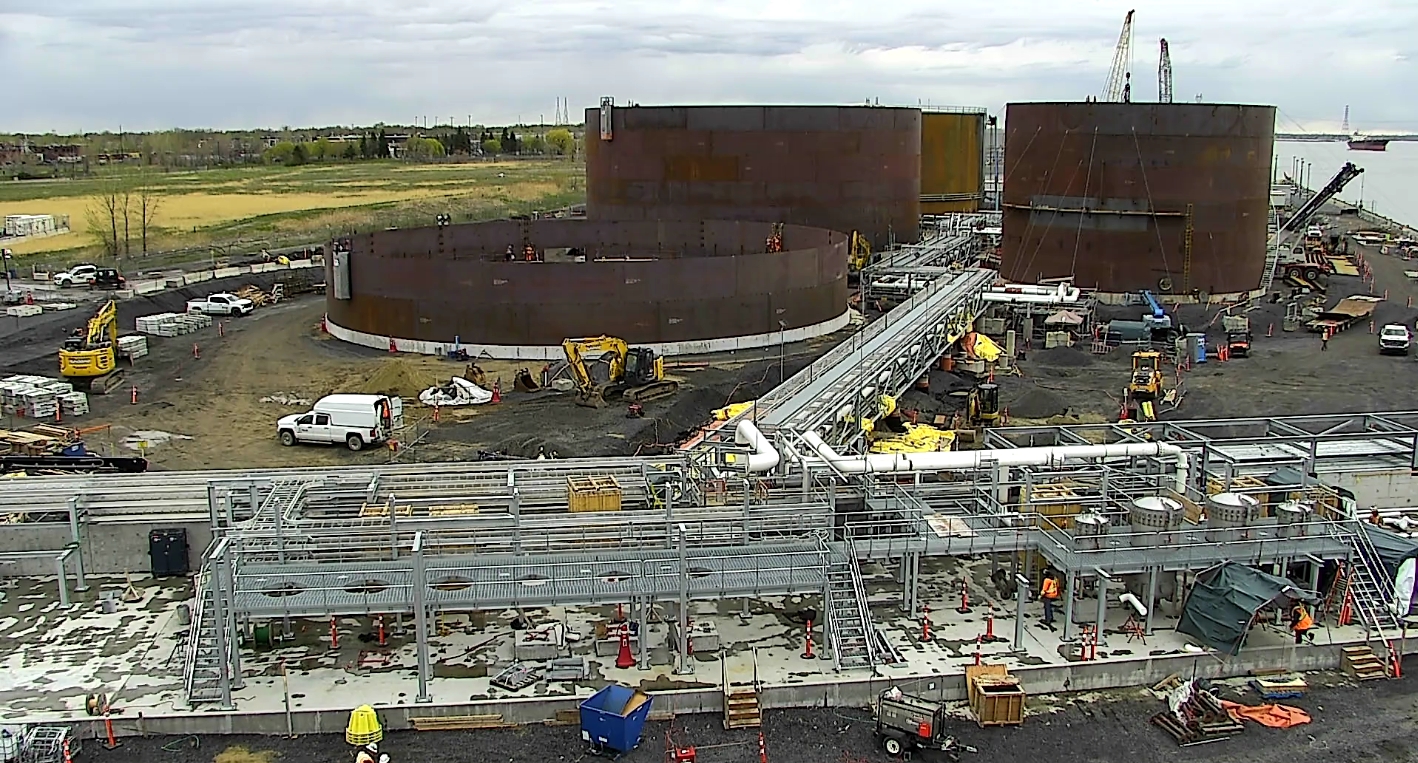
Since early May 2026, work has been underway in the liquid bulk sector: the optimization and upgrading of Berth 101. Unused for more than 20 years, this berth is set to support a major project currently under development at the Port of Montreal: the new petroleum terminal of the Montreal International Fueling Corporation (CIAM), which is expected to become operational in early 2027.
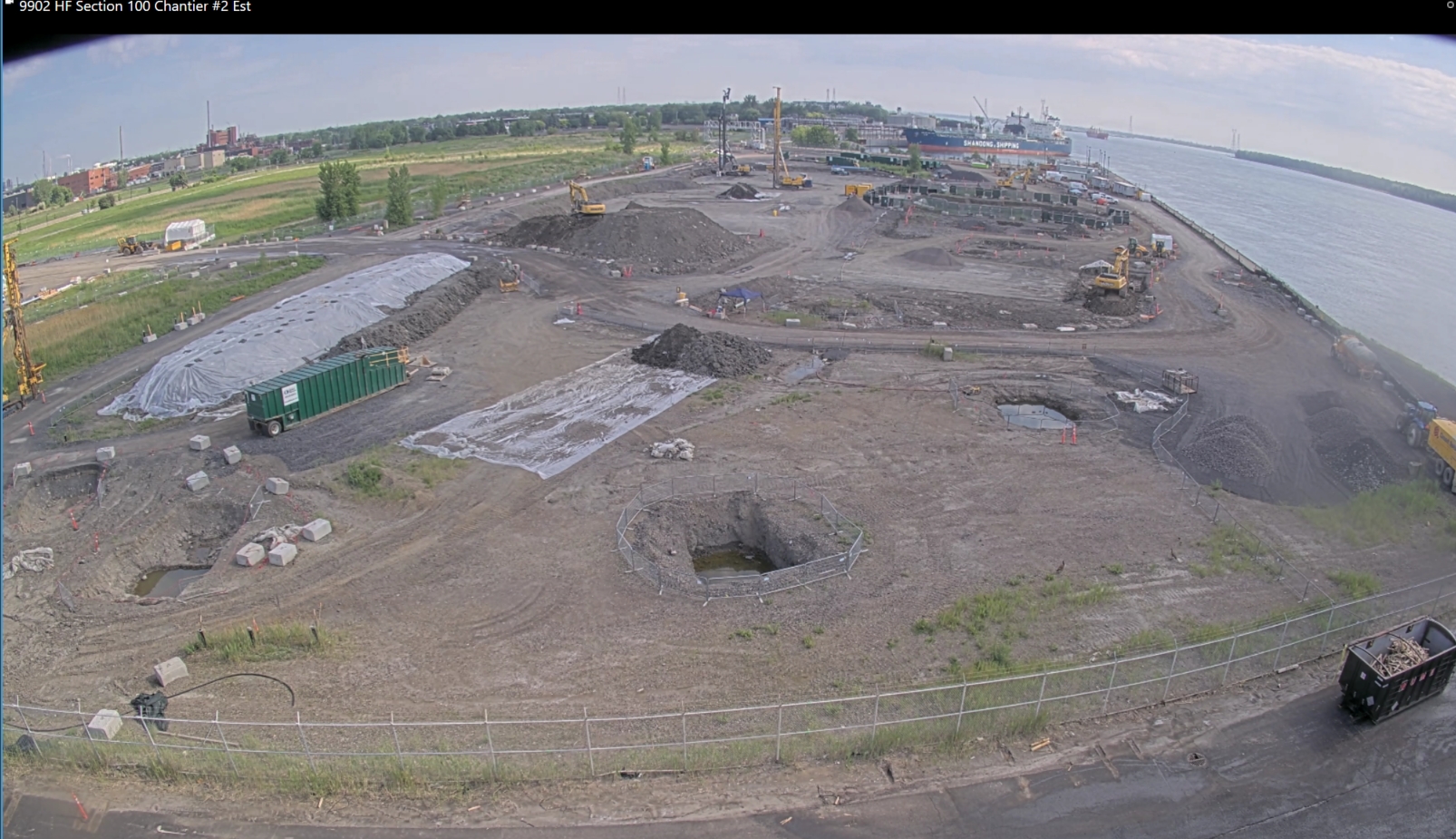
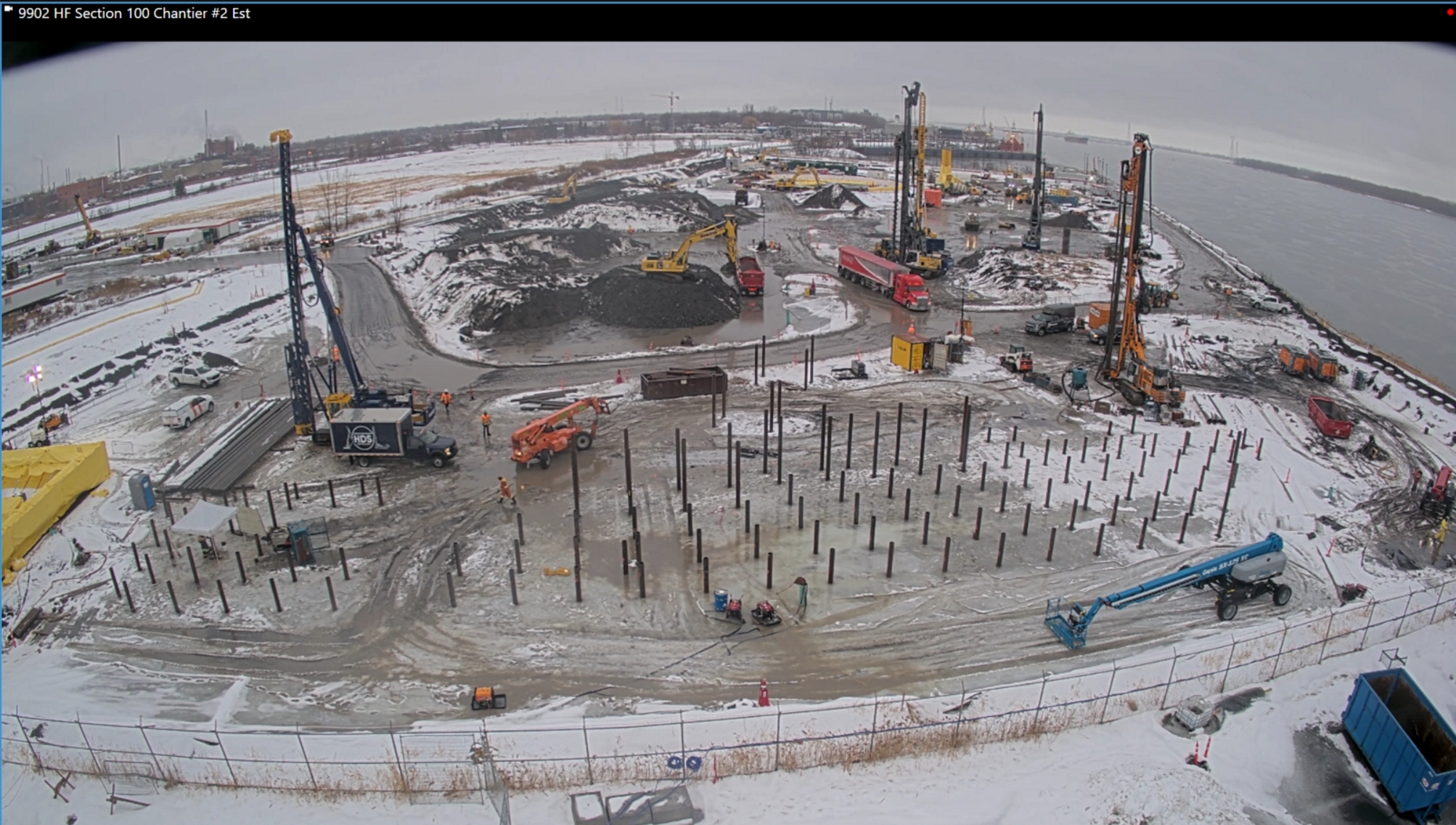
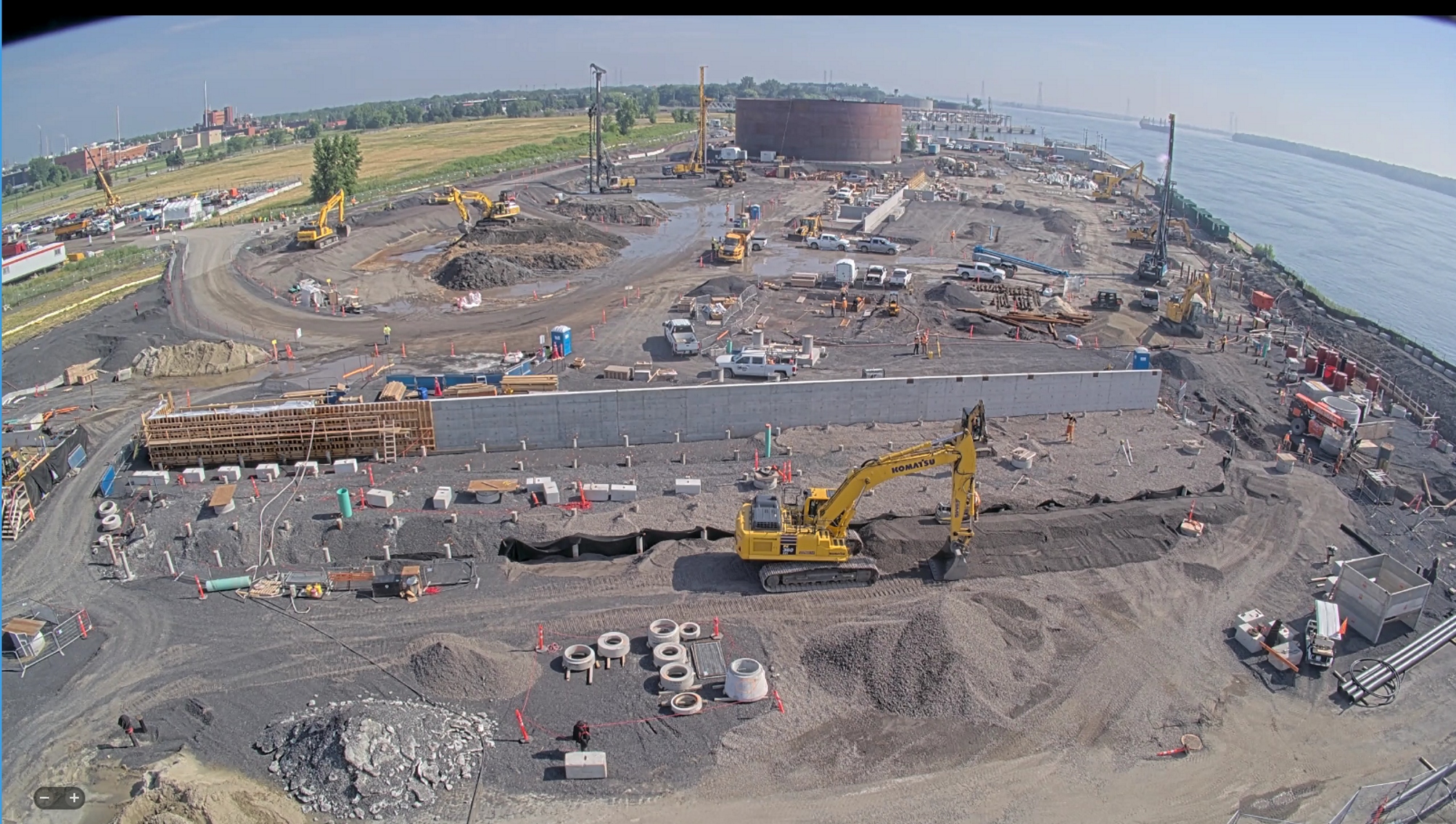
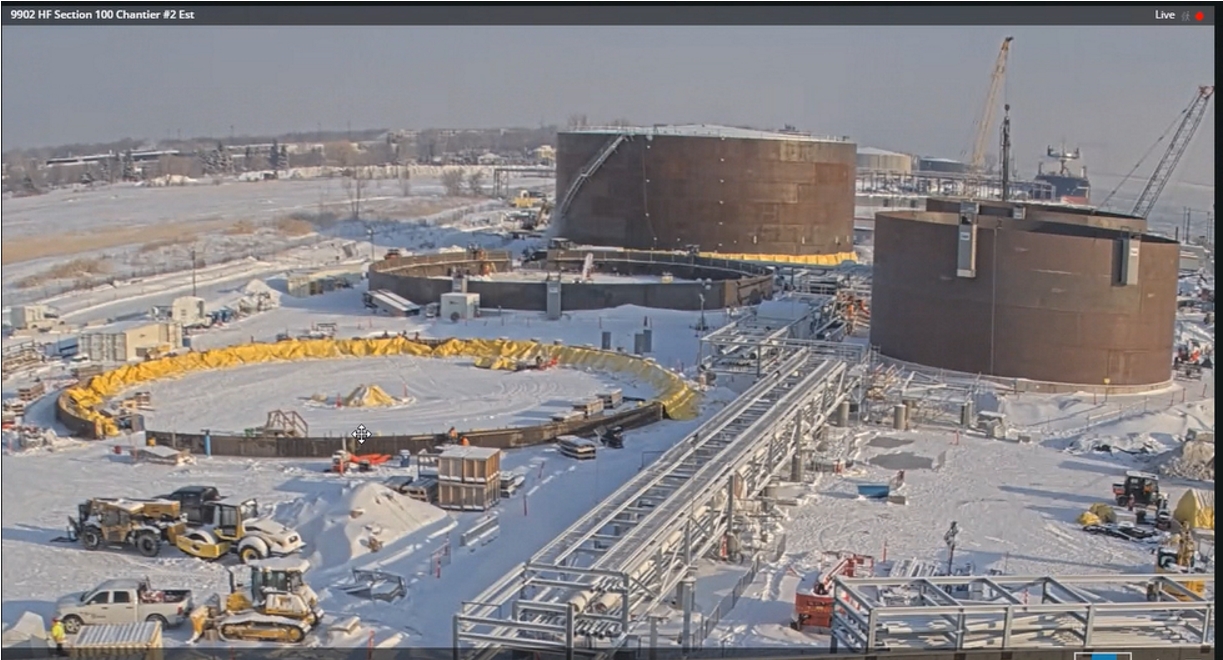
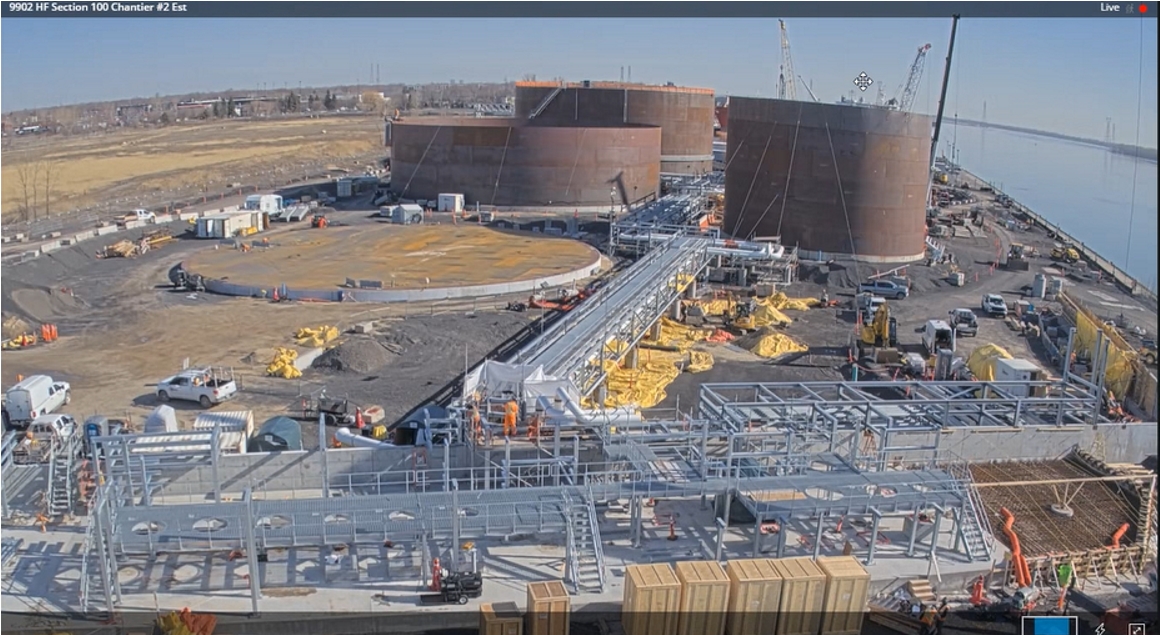
Construction on the terminal began in October 2023 and is now well advanced: pipelines, five storage tanks, and part of the infrastructure have already been completed, alongside contaminated soil management work.
This new terminal will notably enable:
- an increase in handled volumes, estimated at more than 500,000 tonnes per year
- the development of a new market within the liquid bulk sector
- fuel supply operations for both Montreal and Toronto airports
Optimizing for vessel safety
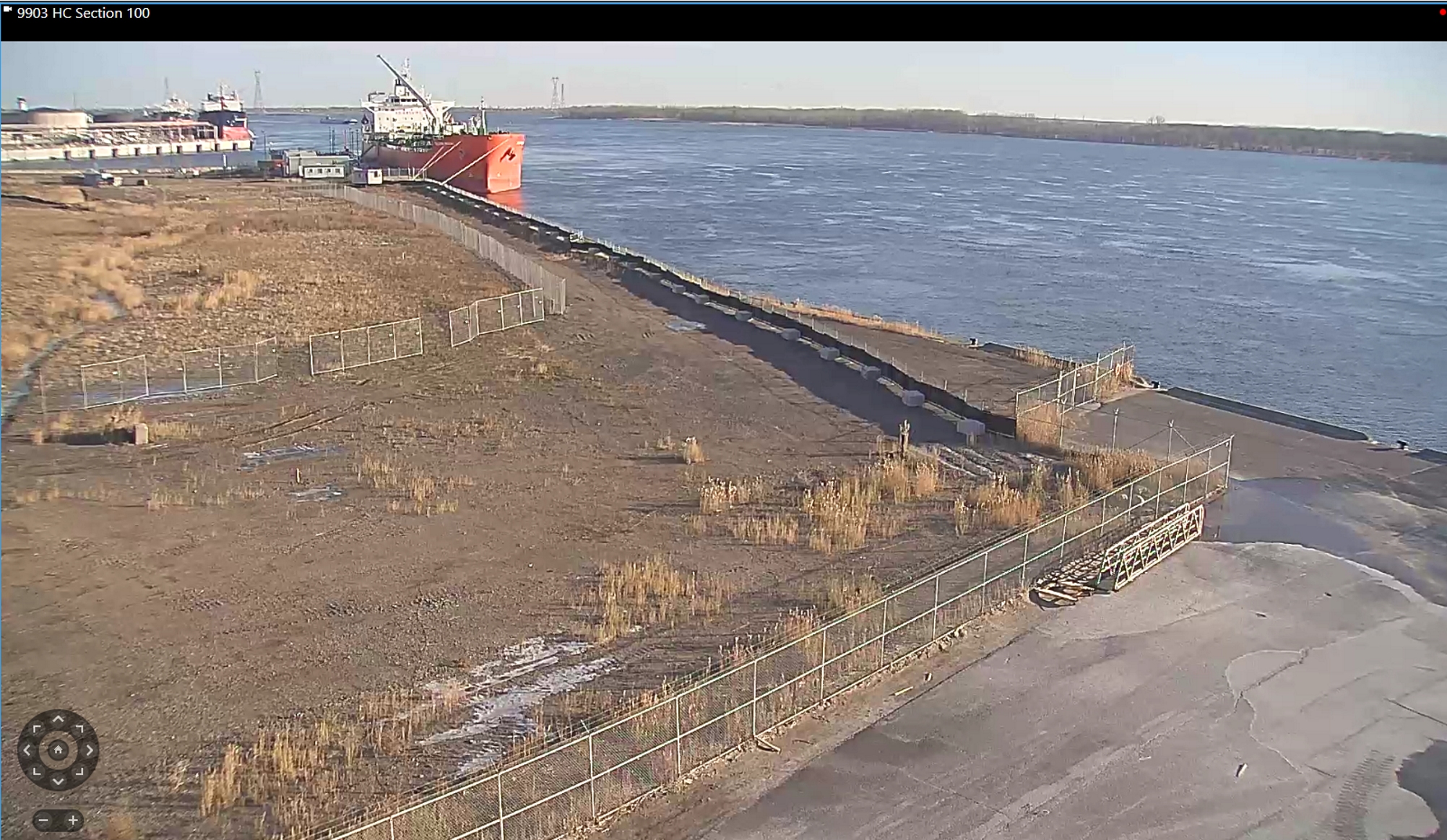
At present, Berth 101, located between a liquid bulk terminal operated by Valero and a dry bulk terminal operated by Logistec, has no longer been suitable since the dismantling of the former petroleum facilities in 1988.
As a result, various upgrades are required to safely accommodate vessels serving the future CIAM terminal, including ships up to 228 metres in length.
The work will take place from May through November and includes rehabilitation of the berth faces, installation of new berthing fenders, seabed excavation work, and the reinforcement of a caisson structure.
A complex project to coordinate
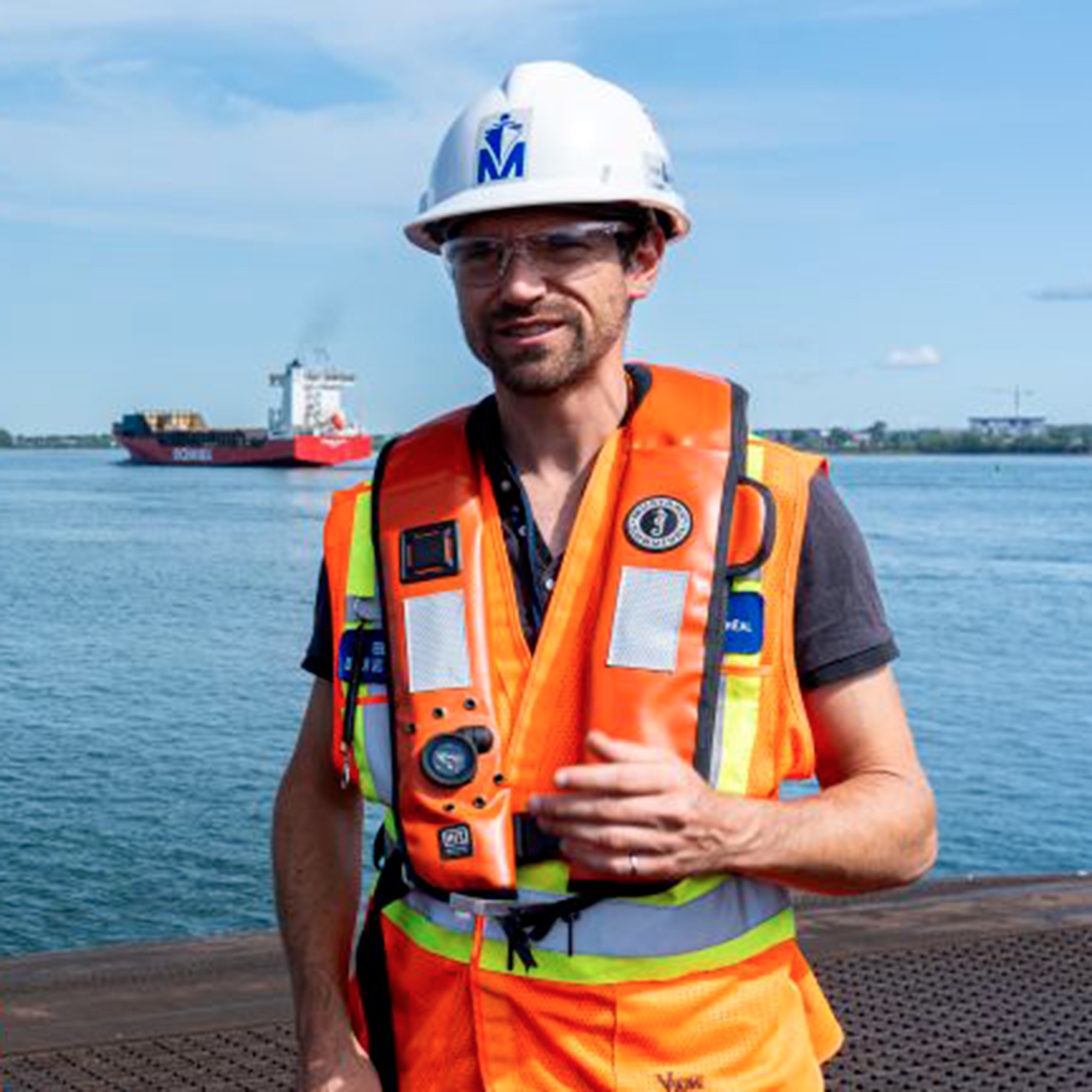
For Rémi Provost, a Port of Montreal engineer specializing in berth infrastructure projects for the past seven years, the project’s main challenge lies in the simultaneous operations taking place on site. The berth rehabilitation work must be carried out directly adjacent to the major construction site for the new terminal, “which requires a great deal of additional coordination upstream. We need to manage the construction zone both in terms of space and timing.”
Work planning, access routes, traffic areas, and schedules must therefore be coordinated with precision from the design phase onward to ensure smooth operations and the safety of all stakeholders.
A collective effort
Like all port infrastructure projects, this rehabilitation effort relies on the collaboration of several teams. We would especially like to highlight the contributions of Nora Menasria and Yvon Bureau in the design and execution of the project, as well as the collaboration of the real estate, environment, and harbour master’s office teams in coordinating the work.
Discover the progress of the project in pictures:
May 14, 2026